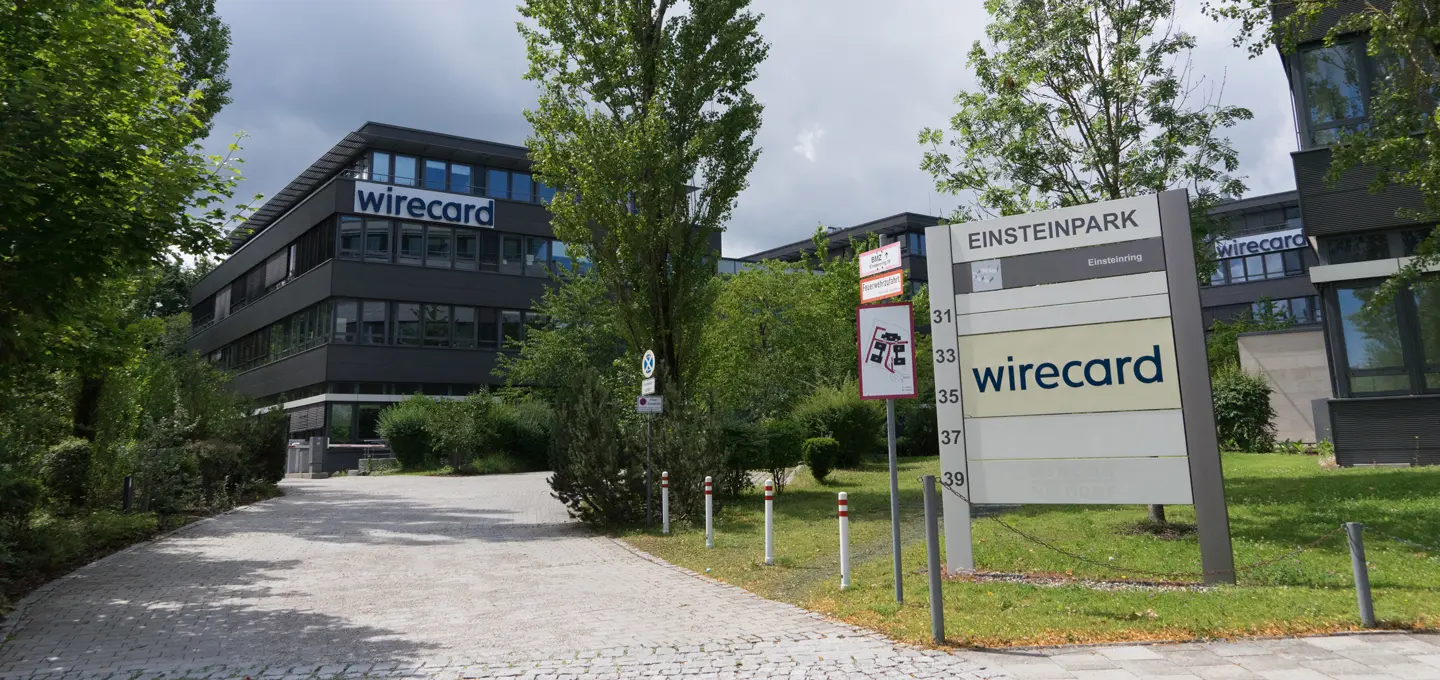
Background to the proceedings
Proceedings IX ZR 127/24 concerned the question of whether aggrieved shareholders can register their losses as insolvency claims. The Munich Higher Regional Court had previously argued that this could be possible in exceptional cases. The Federal Court of Justice has now rejected this view and clarified that shareholders’ claims for damages are directly related to their shareholdings and therefore do not belong to the group of insolvency creditors.
Key message of the ruling
The Federal Court of Justice strengthens the system of insolvency law: shareholders bear the entrepreneurial risk and therefore take a subordinate position in the event of insolvency. Treating them as equal to creditors would undermine the principle of capital participation. The Federal Court of Justice points out that a different interpretation would massively impair the proper handling of large-scale insolvencies.
The figures speak for themselves:
- Insolvency estate: approx. €650 million
- Claims: €15.4 billion
- Of which shareholder claims: around €8.5 billion
This makes it clear that even without the ruling, it was foreseeable that not a single penny would have been left for shareholders. However, the Federal Court of Justice ruling prevents shareholders from placing additional strain on the already scarce assets or delaying proceedings in future.
Significance for practice and compliance
- The ruling finally clarifies that investing in shares involves entrepreneurial risk, which materialises in the event of insolvency.
- Important for compliance and governance officers: Shareholders’ claims for damages do not constitute liabilities of the insolvency estate.
- Companies and executive bodies should be aware that even in cases of suspected systemic fraud such as Wirecard, liability issues vis-à-vis shareholders remain separate from insolvency proceedings.
- For investors: The ruling is a warning that even large DAX-listed companies are not immune to insolvency.
Conclusion
The Federal Court of Justice draws a clear line: shareholders are not insolvency creditors. In the Wirecard case, this means the end of any hope of distributions. At the same time, the decision creates legal certainty for future insolvency proceedings involving high investor claims – and strengthens the order and reliability of German insolvency law.